How the forecast works
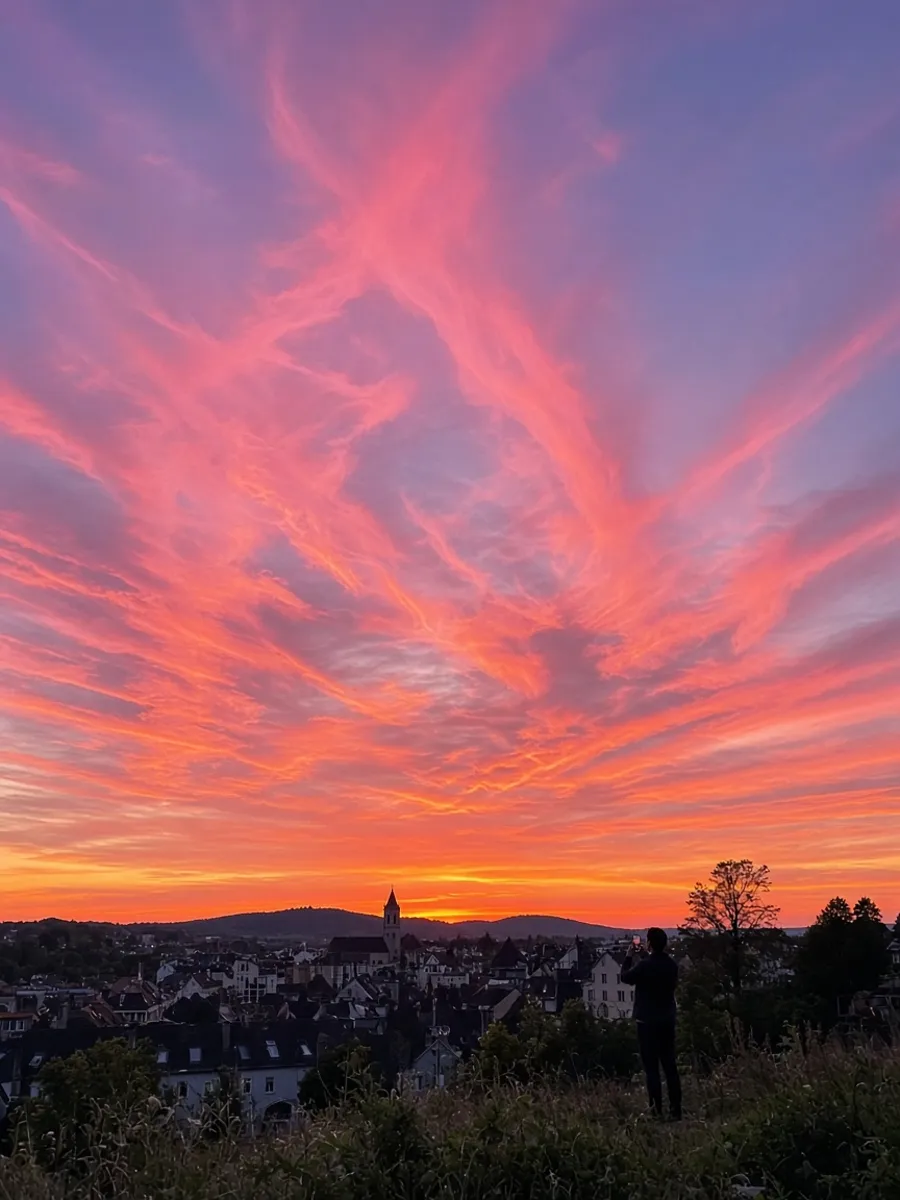
A sunset turns colourful when the sun, already below your horizon, lights the underside of clouds above you. That needs two things: cloud up high to catch the light, and a clear path for the light to get there.
What we read
For each sunrise and sunset, Afterglow reads the hourly cloud forecast from Open-Meteo at your spot and at a point about 120 km away in the direction of the sun. We take high, mid and low cloud cover, and the chance of rain, at the minute of sunset.
How we score it
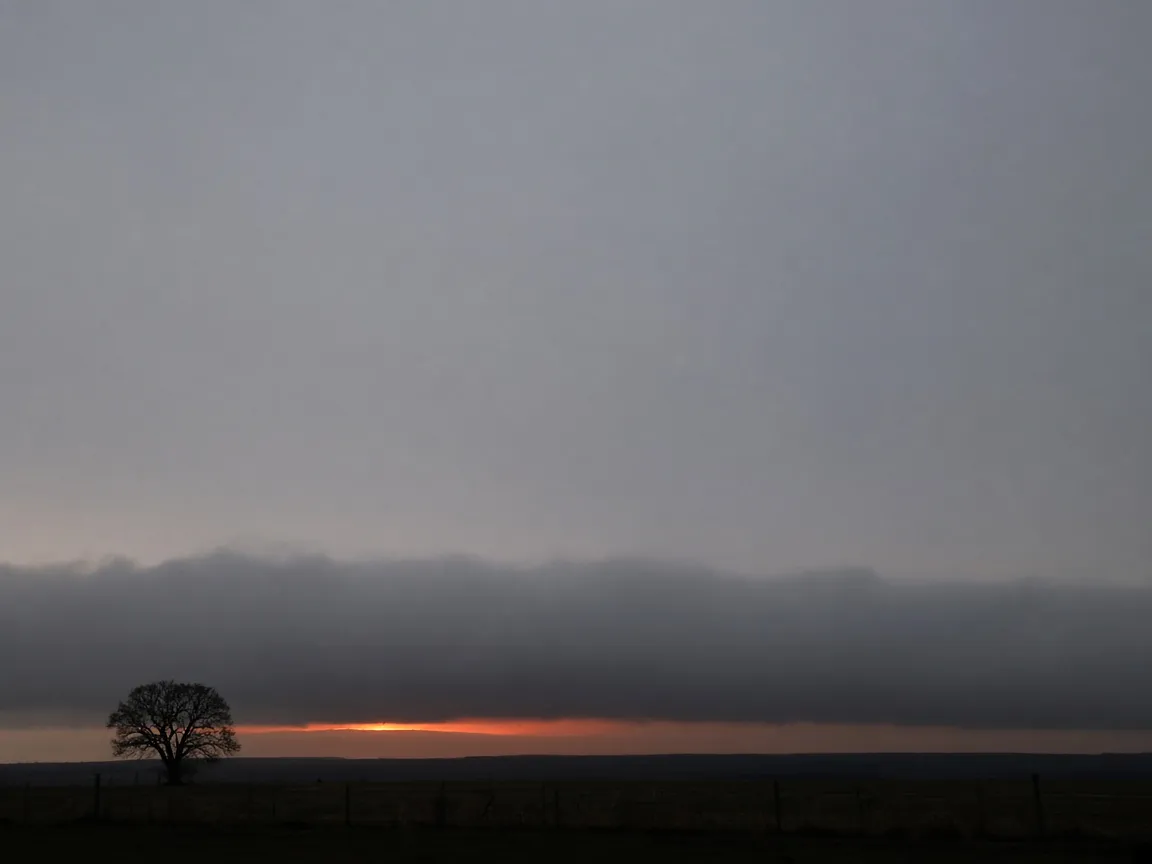
Overhead, high and mid cloud score best at around half cover: enough to catch light, with gaps for it to shine through. A full lid scores lower, a clear sky lower still. Toward the sun, low and mid cloud count against it, because they block the light. Thick low cloud overhead and a high chance of rain count against it too.
The result is a chance of colour from 0 to 100. Under 30 is probably grey or plain, 30 to 50 a little colour, 50 to 70 could be good, and over 70 is worth going out for.
What it can't know
Haze, dust and smoke can make sunsets redder, and forecasts of where clouds will be are uncertain, more so days ahead. Use the number as odds, and look again an hour before.
More from Afterglow
Want a heads-up before a good one?
Email alerts for good sunsets near you are next. Leave your email and you'll be first to get them.